ÒKÈÒGÙN IS NOT FIGHTING FOR HERSELF ALONE
*Favour Adéwọyin,*
April 22, 2026.
Ọ̀yọ́ State, with its thirty-three Local Government Areas spread across three Senatorial Districts — Ọ̀yọ́ South, Ọ̀yọ́ Central, and Ọ̀yọ́ North — presents a political structure that, upon close examination, reveals a deeply entrenched imbalance. Ọ̀yọ́ South consists of six Local Government Areas from Ìbádàn and three from Ìbàràpá; Ọ̀yọ́ Central comprises five from Ìbádàn, four from Ọ̀yọ́, and two from Ògbómọ̀ṣọ́; while Ọ̀yọ́ North is made up of ten Local Government Areas from Òkèògùn and three from Ògbómọ̀ṣọ́. Viewed through a broader socio-political lens, these districts translate into five distinct zones: Ìbádàn (11 LGAs), Òkèògùn (10 LGAs), Ògbómọ̀ṣọ́ (5 LGAs), Ọ̀yọ́ (4 LGAs), and Ìbàràpá. Yet, despite this spread, political power — particularly the Governorship — has remained disproportionately concentrated.
Since 1979, the Governorship of Ọ̀yọ́ State has been overwhelmingly dominated by the Ìbádàn bloc, particularly within Ọ̀yọ́ South Senatorial District, which has produced five Governors, including figures such as Kolapo Ishola, Lam Adesina, Rashidi Ladoja, Abiola Ajimobi, and Seyi Makinde. In stark contrast, the Ìbàràpá axis within the same district has never produced a Governor, not even since independence. A similar pattern of imbalance is evident in legislative representation, where senatorial opportunities have largely favoured the same bloc, with only rare exceptions.
Ọ̀yọ́ Central has fared only slightly better, producing just one Governor in the brief tenure of Kolapo Ishola during the Third Republic, while its senatorial representation has oscillated between Ọ̀yọ́, Ògbómọ̀ṣọ́, and Ìbádàn. Ọ̀yọ́ North, despite its thirteen Local Government Areas and significant electoral weight, has produced a Governor only once through Adebayo Alao-Akala, and even that emerged through a turbulent political process. Its senatorial representation, though consistent, remains structurally limited to a single slot, unlike the dual advantage enjoyed elsewhere. These patterns, when critically assessed, point not to coincidence but to a systemic design that has gradually entrenched marginalisation across several regions.
critical examination of senatorial representation across Ọ̀yọ́ State further exposes a pattern of entrenched imbalance that cannot be ignored. Within Ọ̀yọ́ South Senatorial District, the two available senatorial slots have consistently been dominated by the Ìbádàn bloc, with only a rare exception when Peter Olawuyi Adeyemo briefly represented the Ìbàràpá axis between 1999 and 2003. Beyond that singular deviation, the pattern has remained largely unchanged, producing figures such as Lekan Balogun, Abiola Ajimobi, Kamorudeen Adedibu, Rilwan Akanbi, Ademola Kola Balogun, and Sharafadeen Alli — all from the same Ìbàdàn dominant axis.
In Ọ̀yọ́ Central, although there appears to be a more distributed pattern of representation across Ọ̀yọ́ and Ògbómọ̀ṣọ́, the Governorship has only emerged once through Kolapo Ishola during the brief Third Republic. Its senatorial history includes names such as Ayo Fasanmi, Mudasiru Husain, Ayoade Adeseun (who held multiple terms), Monsurat Sunmonu, Teslim Folarin, and Yunus Akintunde — reflecting some diversity, yet still shaped by broader structural dynamics.
Ọ̀yọ́ North, despite its demographic and electoral significance, presents a more constrained political trajectory. It has produced a Governor only once through Adebayo Alao-Akala, who first emerged as Acting Governor following the impeachment of Rashidi Ladoja in 2006 before securing election in 2007. Its senatorial representation, limited to a single slot, has rotated among figures such as Yemi Yusuf, Robert Koleoso, Gbenga Babalola, Ayoola Agboola, and Abdulfatai Buhari, whose multiple tenures further highlight the limitations of the existing structure.
From the foregoing, the imbalance becomes unmistakably clear: while Ọ̀yọ́ South and Ọ̀yọ́ Central are structurally positioned to produce two senators each, Ọ̀yọ́ North is restricted to just one — an arrangement that has, over time, reinforced systemic exclusion. What may not have been immediately apparent at the inception of the political structure has, through decades of sustained disparity, evolved into a glaring reality. The cumulative effect of this imbalance is the marginalisation, exclusion, and underrepresentation of entire regions — an outcome that now demands urgent attention, honest reflection, and deliberate correction.
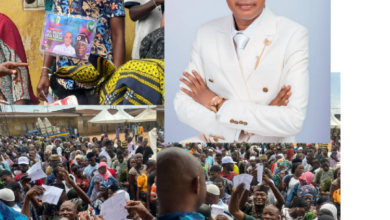
It is against this backdrop that the advocacy for equity and inclusion must be properly understood. The agitation led by Ẹgbẹ́ Àjọṣepọ̀ Fún Ìtẹsiwájú Gbogbo Wa — that power should rotate to Òkèògùn — is not a parochial demand but a principled call for justice. It is timely, legitimate, and long overdue. Similarly, parallel calls from other concerned groups like the G22 Renewed, Equity Forum, etc across marginalised regions underscore a growing consensus: the status quo is no longer sustainable. This moment, therefore, transcends routine political contestation; it is about restoring dignity, reclaiming destiny, and preserving the collective heritage of all stakeholders in Ọ̀yọ́ State.
Silence, hesitation, or indifference at such a defining moment only serves to deepen the crisis of exclusion. What is required now is courage — courage from traditional rulers, religious leaders, political actors, young, not too young and the general populace — to speak with one voice and demand equitable access to power and representation. The struggle must not be fragmented. The marginalised regions must collaborate, not compete, recognising that the success of one is the opening of doors for all. If Òkèògùn produces the Governor in 2027, it will not merely be a regional victory; it will mark the beginning of a new political culture — one where rotation becomes the norm and every zone can aspire to leadership without artificial barriers.
The reality of marginalisation is no longer in doubt; it is visible, measurable, and undeniable. The pressing question, therefore, is not whether marginalisation exists, but whether there is sufficient will to end it. That resolve must begin with introspection. The persistence of this imbalance has been aided, in no small measure, by internal collaborators — individuals who, for personal gain, undermine collective progress and sustain the very structures that oppress their people. Such tendencies must be confronted with clarity and courage. Those who trade the common good for selfish advantage must be identified, exposed, and firmly rejected.
Ultimately, the struggle for equity in Ọ̀yọ́ State is a shared responsibility. Òkèògùn is not fighting for herself alone; she is carrying the banner for all marginalised regions. The call is clear, the time is now, and the responsibility rests on all of us to ensure that justice, fairness, and inclusivity are no longer ideals we speak about — but realities we live by.
Pst. Favour Adéwọyin,
National Secretary, Ẹgbẹ́ Àjọṣepọ̀ Fún Ìtẹsiwájú Gbogbo Wa.